

‹

›
‹
›
→ Product Description
The Evolution of Power Shift Transmissions in High-Power Tractors: A Rewiew
Power shift transmissions have become a cornerstone of modern farm machinery. Looking back at how this technology evolved over the past six decades tells us a lot about the broader story of agricultural mechanization. What started as purely mechanical gear shifting has turned into today’s intelligent, electronically controlled systems—revolutionizing tractor operation and pushing farming efficiency to new heights. This article walks through the major phases of that journey: early experimentation, key breakthroughs, recent trends, and what lies ahead.
1950s–1970s: Getting Started
After the mid‑20th century, traditional tractors with manual gearboxes could no longer keep up with the demands of large‑scale farming. The first real breakthrough came in 1959, when Caterpillar put a power shift transmission into its D9E crawler tractor. That design used a wet clutch, which helped reduce power loss during gear changes—though only in certain shifts. Soon after, International Harvester rolled out its Torque Amplifier, and John Deere introduced the Syncro Range transmission, giving engineers more options to work with.
At this stage, power shift systems were still quite basic:
Mostly mechanical, with a little hydraulic help
Only 4 to 8 gears available
Drivers had to rely heavily on their own judgment
Power interruption remained a problem
1980s–1990s: Growing Up and Branching Out
The arrival of electronics in the 1980s changed everything. In 1986, Case IH’s Steiger Quadtrac became the first tractor to use an electronic control unit (ECU) for shifting. The ECU watched engine load and speed in real time, making shift decisions smarter. Around the same time, ZF Friedrichshafen introduced a multi‑plate wet clutch system that pushed gear counts up to 48 forward and 48 reverse speeds.
Then, in the mid‑1990s, Fendt launched its Vario series. That’s when power shift technology and continuously variable transmissions (CVTs) started going their separate ways:
Power shift kept efficiency at 85–90%, staying the choice for heavy work.
CVTs offered smooth, stepless speed changes, perfect for jobs that needed fine control.
2000s to Today: Intelligence Goes Global
This century has been about making power shift systems smart. In 2001, John Deere’s AutoPower system brought automated shifting into the real world. Not long after, AGCO’s Dyna VT gearbox blurred the lines between power shift and CVT, showing how flexible the technology could be.
Another big story has been the rise of Chinese manufacturers:
China Yituo built its first home‑grown power shift tractor in 2006, then boosted its know‑how by buying the McCormick plant in France in 2011.
Laidong aims to have a full lineup of power shift products—from 80 to 320 horsepower—ready by 2025.
Fast (FAST) is using its experience with commercial vehicle transmissions to mass‑produce farm‑grade power shift gearboxes, also targeting 2025.
Meanwhile, thanks to GPS and the Internet of Things, today’s power shift systems can adjust gears on the fly based on field shape, soil moisture, and other data. That’s precision farming in action. New Holland’s OptiShift even mixes in hybrid technology, cutting fuel use while boosting torque at low speeds.
How the Core Parts Have Changed
Clutches: We’ve moved from dry single‑plate to wet multi‑plate designs. Heat resistance and lifespan have more than tripled, so they can handle constant shifting.
Materials: Gears are now made of carburized alloy steel with a surface hardness of HRC60 or higher. That allows them to bear 50% more load.
Control software: AI‑based predictive algorithms have slashed power interruption time to under 0.2 seconds—smooth enough to rival CVTs.
What’s Coming Next
Going electric: Take Weifang Haichuan Heavy Industry’s 400‑horsepower hybrid tractor (the company formerly known as Zoomlion in earlier reports). Its electric motor provides high torque at low speeds, reducing how much diesel it burns.
Full automation: When power shift transmissions team up with self‑driving technology, everything from plowing to harvesting can be done without a driver in the cab.
Green innovation: Think biodegradable hydraulic fluids and lighter structural designs. These will shrink the environmental footprint of farm machinery.
Final Thoughts
From Caterpillar’s pioneering work in 1959 to today’s smart, electrified systems, the evolution of power shift transmissions is more than a series of technical upgrades. It mirrors how global farming has demanded more from its machines—and how engineers have delivered. Looking ahead, as new energy and digital technologies keep merging, power shift technology will drive agriculture into an era that is both more productive and kinder to the planet.
→ Online Consultation
Customizable Front & Rear Weight Distribution
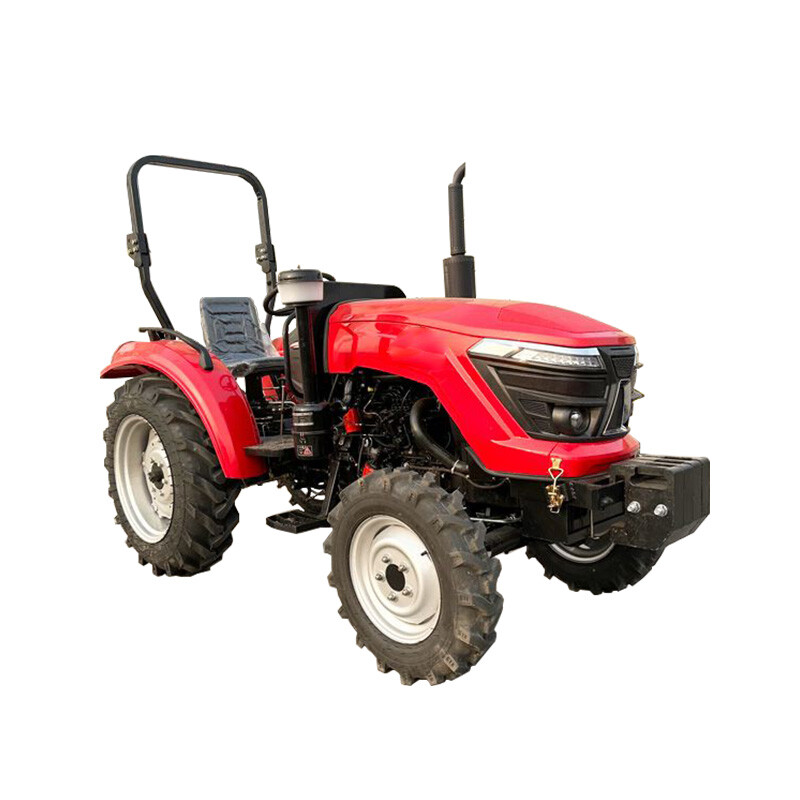
We prioritize this balance by offering customizable front and rear weight options. They enable your tractor to maintain optimal ground contact performance, enhance traction, and prevent potential rollovers—especially during heavy-load operations.
Terrain-Specific Tire Selection
The right tires are crucial for your tractor's performance on any terrain. Whether you're tilling dry fields or navigating waterlogged paddy fields, our extensive range of tire options ensures your tractor consistently delivers peak performance.
Brand Identity: Custom Hood Colors
We offer customizable engine hood color options, ensuring each tractor not only meets performance expectations but also aligns with the unique visual identity of your operation. Make your fleet stand out in both function and appearance while maintaining a cohesive look.
Tailored Brand Integration
In a world of commodities, differentiation is key. We offer custom logo placement on the hood, ensuring our top-tier performance seamlessly integrates with your unique brand identity. Entrust your fleet to us, and let us create the perfect fusion of performance and presence across all your operations.
Why Haichuan Heavy?
The Power of Partnering Directly with the Manufacturer
Technological Innovation And R&D Strength
Haichuan Heavy Industry has a strong technology research and development department, and its product design and development have always been at the forefront of the industryThe company continuously engages in technological innovation and holds multiple utility model patents and invention patents, especially in the field of independently developed Sichuan pepper picking machines.
Unbeatable Factory Pricing
By eliminating distributors and dealers, we pass the savings directly to you. Get premium quality without the premium price tag.
Superior Quality Control
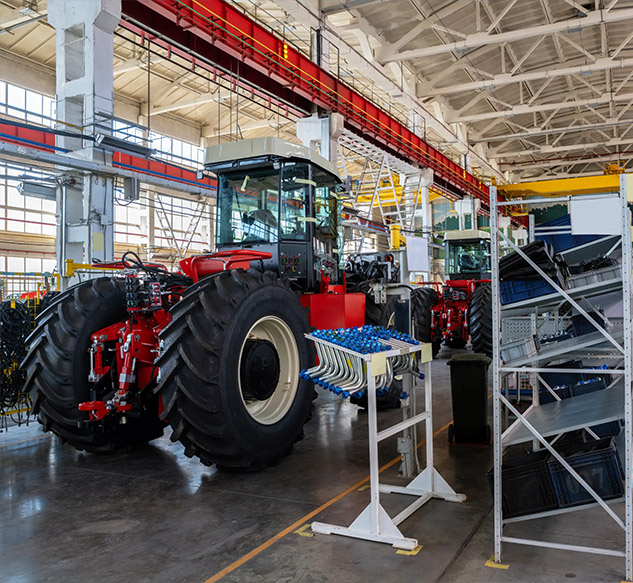
Your tractor is built under our roof, to our exacting standards. We oversee every weld, every engine, every detail to guarantee performance and longevity.
Customization & Flexibility
Need specific tires, attachments, or cabin features? We can configure your tractor to your exact operational requirements. Your machine, your way.
Strong Export Capability
Haichuan Heavy Industry has obtained the certificate of free import and export of itsproducts, which are mainly sold to more than 10 countries and regions such as Africa, Russia, and South Korea.
Getting Your Tractor is as Easy as 1-2-3
01
Tell Us Your Needs
Fill out the form with your requirements. Our expert will contact you within 24 hours.

02
Confirm Your Solution & Quote
We'll provide a detailed, all-inclusive quote and technical solution for your approval.

03
Production & Global Delivery
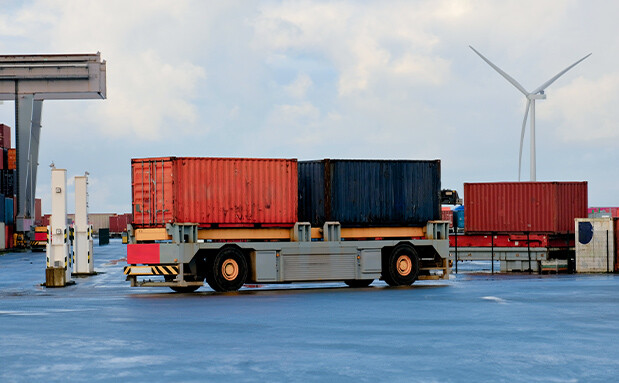
We manufacture your tractor and handle all the logistics to deliver it safely to your nearest port.
FAQ & Solutions
Q1: What horsepower range do your tractors cover?
A: We specialize in manufacturing a wide range of tractors from 15 HP to 150 HP. This allows us to serve various needs, from small-scale farming to large-scale agricultural and construction projects.
Q2: What kinds of implements can your tractors be used with?
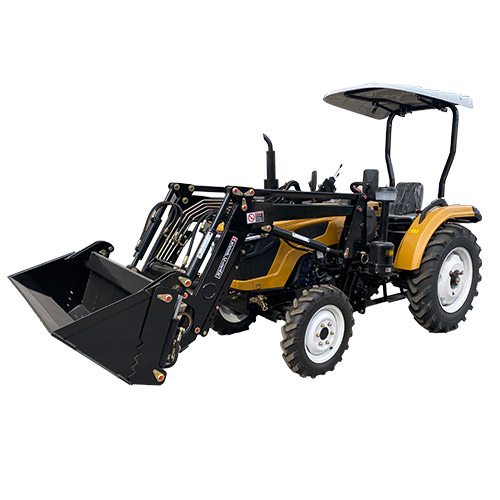
A: Our tractors are compatible with a variety of implements, including plows, cultivators, rotavators, seeders, trailers, front-end loaders, and backhoes. We can help you choose the right implements based on your specific tasks.
Q3: Can I customize the tractor to my specific needs?
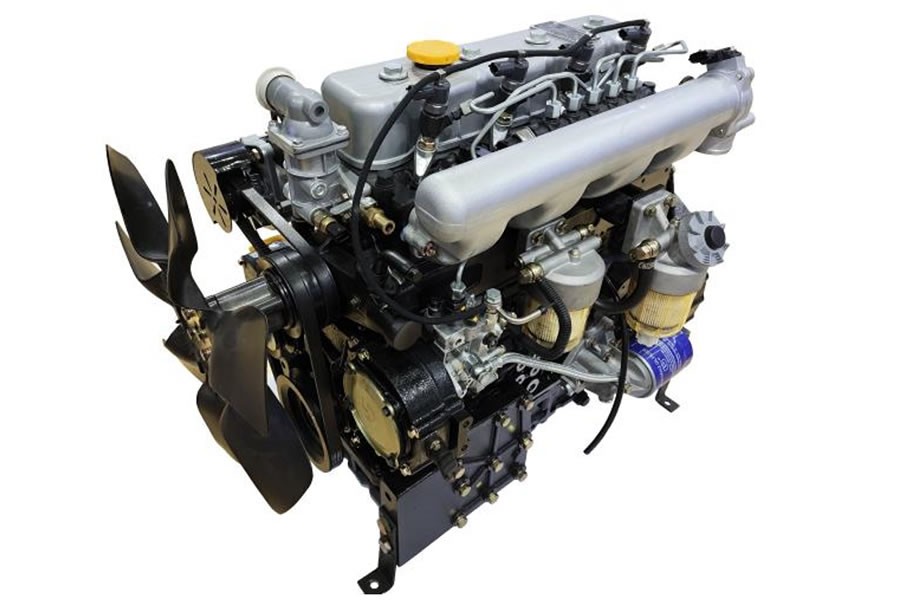
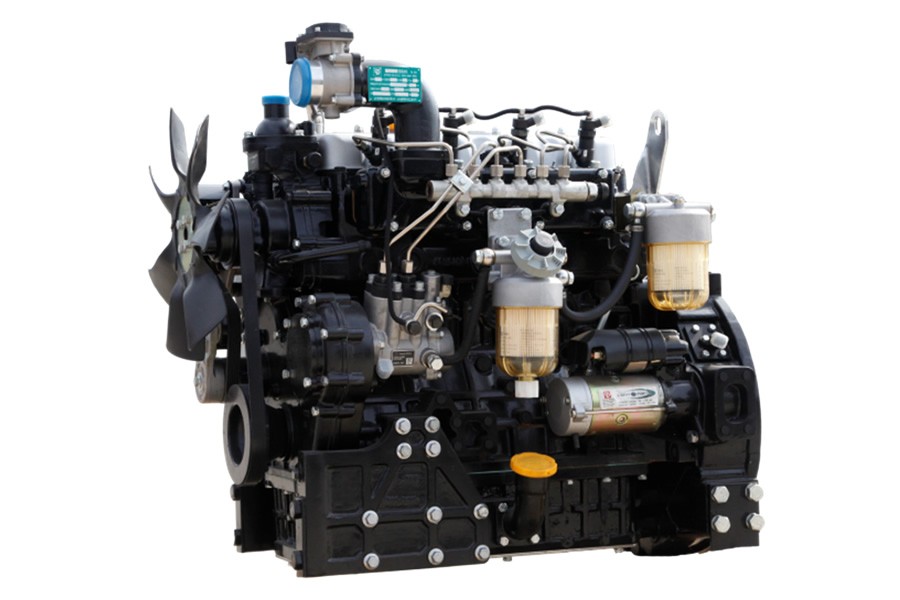
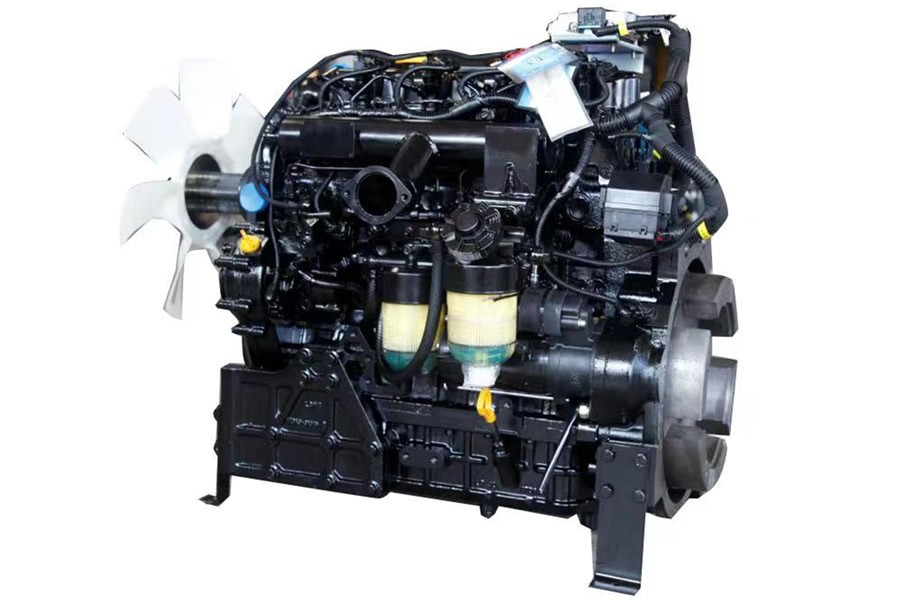
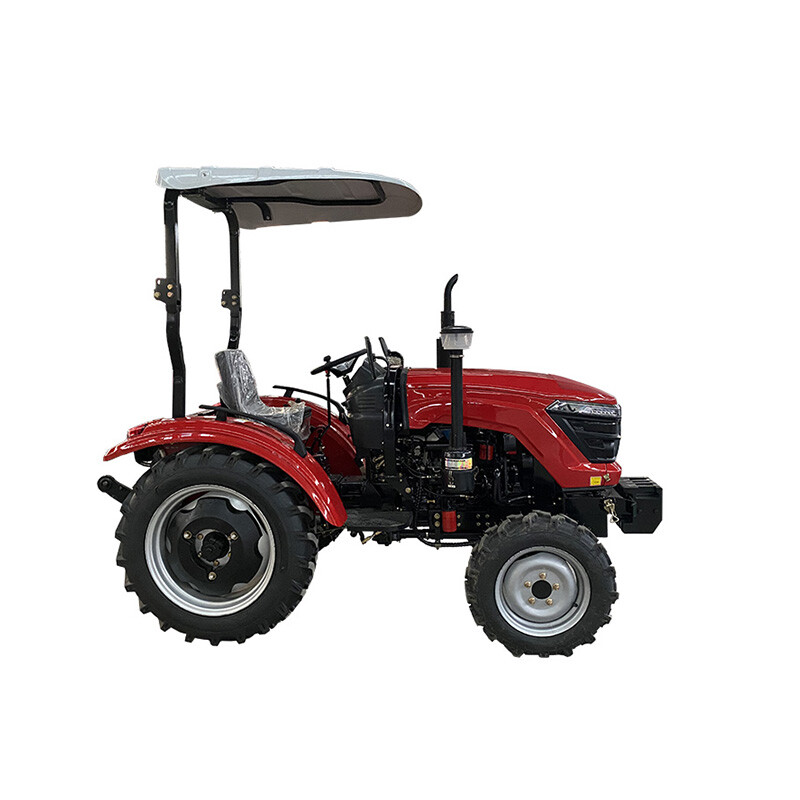
A: Absolutely. As a direct manufacturer, we offer a high degree of customization. You can choose different horsepower, engine types, tire sizes, and cab configurations. Just let us know your specific requirements, and we will provide a tailored solution.
Q4: What is the minimum order quantity (MOQ)?
A: The MOQ is typically one unit. We are happy to serve both individual buyers and large-scale distributors.
Q5: Where do you ship to?
A: We provide shipping services worldwide. We have experience exporting to many countries across North America, South America, Europe, Africa, and Southeast Asia.
Q6: What are the shipping costs and delivery times?
A: Shipping costs and times vary depending on your location and the size of your order. We work with professional shipping partners to ensure safe and timely delivery. We will provide a detailed quote including shipping costs before you place your order.
Q7: What about customs and import duties?
A: We provide all necessary documentation for customs clearance. However, please note that the buyer is responsible for any import duties, taxes, or fees required by your country's customs regulations. We recommend consulting with a local customs broker for specific details.
Q8: What is your warranty policy?
A: We offer a 1-year on our tractors, covering major components. We stand behind the quality of our products.
Q9: How do I get spare parts?
A: We maintain a large inventory of spare parts. You can order them directly from us, and we will ship them to you quickly via express service. We also provide a list of recommended spare parts to keep on hand.
Q10: Do you offer technical support?
A: Yes. We have a dedicated technical support team available to assist you via phone, email, or video call. If you encounter any technical issues, our experts are ready to help you troubleshoot and resolve them.
Send Your Inquiry Today
*We respect your confidentiality and all information are protected.

Contact With Us

Please enter what you want to find
Send Your Inquiry Today
*We respect your confidentiality and all information are protected.